

vellavu
Scooby
- Joined
- Oct 17, 2015
- Messages
- 3,114
T. Rex May Have Actually Used Its Tiny Arms For "Vicious Slashing" of Its Victims
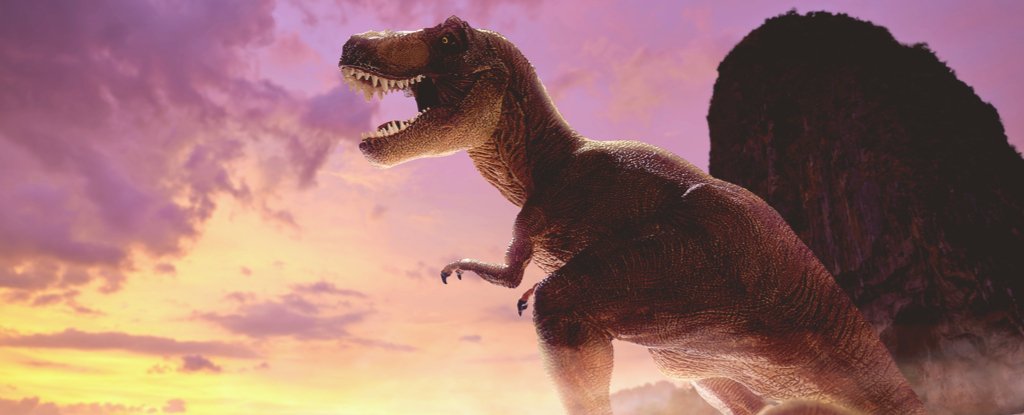
One of the largest and most terrifying predators to ever hunt upon the planet's surface had funny-looking, pipsqueak arms. There, we said it.
But just because Tyrannosaurus rex's tiny and seemingly disproportionate mini-arms were kind of ridiculous doesn't mean they weren't functional killing machines in their own right, new research suggests.
According to palaeontologist Steven Stanley from the University of Hawaii at Manoa, T. rex's 1 metre long (3.3 feet) forelimbs may have been miniature in relation to the rest of this towering carnivore, but they could still have been adapted for "vicious slashing" of cornered prey.
In response to the long-held view that T. rex arms could have been a vestigial feature of the animal – a shrunken evolutionary hangover from the dinosaur's ancestors – Stanley argues that these maligned extremities (if you're feeling generous) have been unfairly represented.
In a new paper presented recently at the annual conference of the Geological Society of America, Stanley suggests the arms' short length and reach would have actually been an asset when dealing with prey at close quarters.
One of the largest and most terrifying predators to ever hunt upon the planet's surface had funny-looking, pipsqueak arms. There, we said it.
But just because Tyrannosaurus rex's tiny and seemingly disproportionate mini-arms were kind of ridiculous doesn't mean they weren't functional killing machines in their own right, new research suggests.
According to palaeontologist Steven Stanley from the University of Hawaii at Manoa, T. rex's 1 metre long (3.3 feet) forelimbs may have been miniature in relation to the rest of this towering carnivore, but they could still have been adapted for "vicious slashing" of cornered prey.
In response to the long-held view that T. rex arms could have been a vestigial feature of the animal – a shrunken evolutionary hangover from the dinosaur's ancestors – Stanley argues that these maligned extremities (if you're feeling generous) have been unfairly represented.
In a new paper presented recently at the annual conference of the Geological Society of America, Stanley suggests the arms' short length and reach would have actually been an asset when dealing with prey at close quarters.


